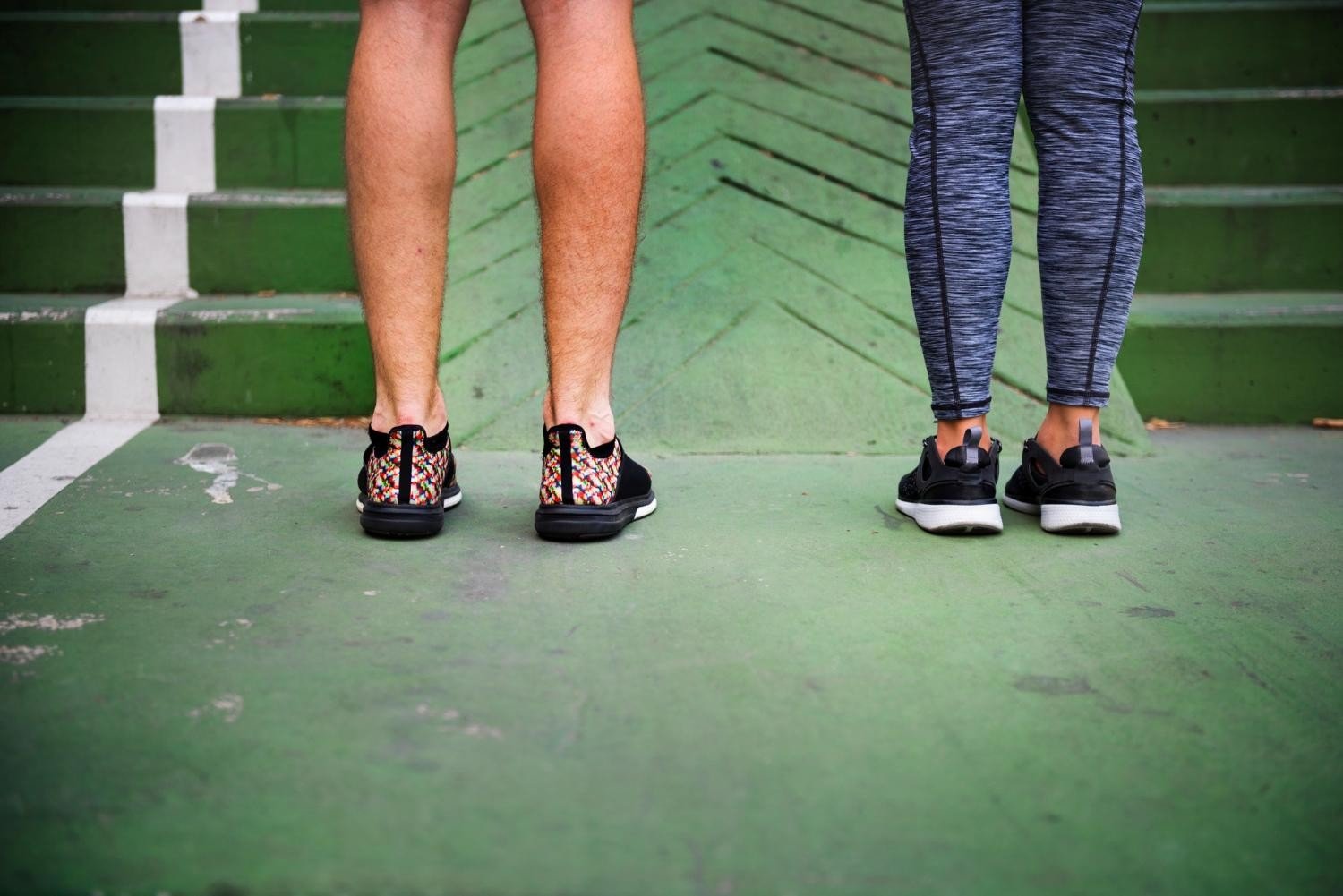

Choosing the right footwear for strength training can influence comfort, stability, and the way you interact with the floor during exercise. While traditional lifting shoes are often designed with structured soles and elevated heels, minimalist lifting shoes generally focus on a lower profile, reduced cushioning, and greater flexibility. Both styles can be useful, but they serve different preferences and training needs.
For gym members who regularly perform squats, deadlifts, lunges, and other resistance exercises, understanding these differences can make footwear shopping easier. Some lifters prefer the firm, elevated platform of specialized weightlifting shoes, while others feel more comfortable with a flat, flexible design that allows their feet to move naturally.
Neither option is automatically better for everyone. The right choice depends on the exercises you perform, your lifting technique, mobility, foot shape, and personal comfort. Comparing sole construction, heel height, stability, flexibility, and intended use can help you identify which style fits your routine.
What Are Minimalist Lifting Shoes?
Minimalist lifting shoes are designed to provide a relatively lightweight and less restrictive experience during strength training. They typically feature a low-profile sole, reduced cushioning, and a flexible construction compared with many conventional athletic shoes.
Some models include a wide toe box that allows the toes to spread naturally, while others focus on a thin sole that creates a closer connection to the training surface. Their designs vary, so it is important to check individual features rather than assuming every minimalist shoe offers the same construction.
Common characteristics include:
- Low-profile soles: These provide a closer feel to the ground than many heavily cushioned athletic shoes.
- Reduced cushioning: Less midsole material can create a firmer sensation underfoot.
- Flexible construction: Some models allow the foot to bend more naturally during movement.
- Roomier toe boxes: Certain designs provide additional space around the toes.
- Lightweight materials: Less bulky construction can make the footwear feel less restrictive.
Minimalist designs may appeal to lifters who prefer a flat platform for exercises such as deadlifts and controlled resistance movements. However, the amount of flexibility and protection varies by model, and not every minimalist shoe is designed for heavy lifting.
What Are Traditional Lifting Shoes?
Traditional lifting shoes, particularly those designed for Olympic weightlifting, are built around stability and a consistent platform under load. Many feature a rigid sole, a raised heel, and secure fastening systems that help hold the foot in position.
These shoes are commonly used for movements such as squats, snatches, and clean and jerks. Their construction is intended to support controlled foot placement during demanding lifts rather than provide the flexibility needed for running.
Typical features include:
- Elevated heels: These can help some lifters reach a comfortable squat position while maintaining a more upright torso.
- Rigid soles: Firm construction limits excessive compression under load.
- Secure straps and laces: These help keep the foot in place during heavy exercises.
- Structured uppers: Reinforced materials provide support around the midfoot.
- Stable platforms: A firm base helps create consistent contact with the floor.
Not every traditional lifting shoe has an elevated heel. Some strength-training shoes use a flat, firm sole and are designed for exercises such as deadlifts or general gym training.
It is therefore useful to distinguish specialized Olympic weightlifting shoes from broader categories of gym and strength-training footwear.
1. Heel Height Is One of the Biggest Differences
Heel height is an important feature when comparing minimalist and traditional lifting shoes. Many minimalist designs use a low heel-to-toe drop, sometimes called zero drop, where the heel and forefoot sit at approximately the same height.
Specialized Olympic weightlifting shoes commonly feature an elevated heel. This changes the angle of the foot and can influence how the ankle and knee move during a squat.
Benefits of a Flat or Low-Drop Design
A flat design can appeal to lifters who prefer a close connection to the floor. It is often considered for deadlifts because a low profile reduces the distance between the feet and the ground.
Potential advantages include:
- A natural, low-profile feel
- Less cushioning between the foot and the floor
- Suitability for lifters who prefer flat footwear
- A practical option for some deadlift routines
However, a flat shoe does not automatically improve technique or performance. The result depends on the lifter’s movement pattern, mobility, and exercise selection.
Benefits of an Elevated Heel
An elevated heel can help some lifters achieve greater squat depth or maintain a more upright torso, depending on their anatomy and technique. This can be useful for exercises where ankle mobility limits a comfortable position.
Traditional weightlifting shoes may be particularly useful for:
- Front squats
- High-bar back squats
- Snatches
- Clean and jerk movements
- Other lifts that benefit from an elevated, rigid platform
An elevated heel is not essential for every squat. Some lifters can perform the movement comfortably in flat footwear, while others prefer a raised heel.
The best choice should support your movement rather than force you into an uncomfortable position.
2. Sole Construction and Ground Feel
The sole is another major difference between these footwear styles. Minimalist shoes generally aim to reduce the amount of material between the foot and the floor. Traditional weightlifting shoes typically emphasize rigidity and resistance to compression.
This distinction matters because heavy lifting requires a stable base. If the sole compresses excessively under load, the shoe may feel less secure during certain movements.
Minimalist Shoe Soles
Minimalist shoes often use thinner, more flexible soles. Depending on the model, this can provide a direct feel of the floor and allow greater foot movement.
This construction may suit lifters who prefer flat footwear for deadlifts or controlled strength exercises. However, thin soles may offer less protection from rough surfaces and may not provide the rigid platform some lifters prefer for heavy squats.
Traditional Lifting Shoe Soles
Specialized weightlifting shoes commonly use firm materials designed to maintain their shape under heavy loads. Their soles are built to provide a consistent platform rather than a soft, cushioned feel.
A stable sole can help lifters maintain predictable foot contact with the ground. This is particularly relevant during technical lifts, where foot positioning and balance are important.
When comparing the two styles, consider:
- How firm the sole feels under body weight
- Whether it compresses when pressure is applied
- The amount of flexibility around the forefoot
- The grip provided by the outsole
- Whether the construction matches your main exercises
The best sole is the one that provides suitable stability and comfort for the lifts you perform.
3. Flexibility and Foot Movement
Minimalist lifting shoes are generally more flexible than specialized Olympic weightlifting shoes. This flexibility may allow the foot to move through a more natural range during certain exercises.
Traditional weightlifting shoes are often more rigid because they are designed to provide a stable platform during heavy, technical movements.
Why Flexibility May Appeal to Some Lifters
A flexible shoe can feel less restrictive during warm-ups, bodyweight exercises, and selected strength movements. Some lifters also prefer the wider toe boxes found in certain minimalist models because they allow more room for toe movement.
Potential benefits include:
- Less restrictive movement around the forefoot
- A lightweight feel during training
- More natural toe positioning in suitable designs
- Versatility for selected gym exercises
However, flexibility is not always an advantage. Exercises involving heavy loads or rapid changes in direction may require more structure than a flexible shoe provides.
Why Rigidity Matters in Traditional Lifting Shoes
A rigid platform helps limit unwanted sole movement during heavy lifting. The structured construction can provide a consistent base for exercises that require precise foot placement.
This is one reason specialized weightlifting shoes are popular among Olympic weightlifters. They are designed for lifting movements rather than general-purpose flexibility.
If you train with a mixture of heavy barbell lifts and functional exercises, you may find that different footwear works better for different parts of your routine.
4. Stability During Heavy Lifts
Stability is one of the most important considerations when choosing lifting footwear. During squats and other loaded movements, you need a shoe that allows you to maintain controlled foot placement without excessive slipping or compression.
Traditional weightlifting shoes are specifically designed to provide a firm platform. Their rigid soles, structured uppers, and fastening systems can help maintain a secure fit during demanding lifts.
Minimalist shoes can also provide a stable base when they have a firm sole and appropriate fit. However, the level of stability varies between models. A thin sole alone does not guarantee that the shoe is suitable for heavy lifting.
When evaluating stability, check these features:
- Secure fit: Your heel and midfoot should remain comfortably in place.
- Firm sole: The shoe should not feel excessively compressible under load.
- Reliable grip: The outsole should provide traction on the intended gym surface.
- Appropriate structure: The shoe should support the demands of your chosen exercise.
- Comfortable positioning: Your feet should not feel forced into an awkward stance.
It is also important to remember that footwear cannot replace sound technique. Appropriate exercise selection, controlled movement, and sensible load progression remain essential parts of strength training.
5. Comfort and Fit
Comfort depends on more than whether a shoe feels soft. Fit, width, heel construction, sole firmness, and material quality all influence the wearing experience.
Minimalist shoes may appeal to people who prefer less cushioning or more room around their toes. Traditional lifting shoes may feel more secure to those who like a structured fit around the midfoot and heel.
Neither design is automatically more comfortable.
What to Check in Minimalist Shoes
When trying minimalist footwear, make sure the toe box provides sufficient space without allowing the foot to slide. The sole should feel appropriate for your exercise selection, and the upper should not create uncomfortable pressure.
Because these shoes may have less cushioning, pay attention to how your feet respond during and after exercise.
What to Check in Traditional Lifting Shoes
Traditional lifting shoes should hold the foot securely without squeezing it. Check whether the heel feels stable and whether the elevated platform allows you to maintain a comfortable lifting position.
Straps can help secure the midfoot, but they should not create pressure or restrict comfortable circulation.
For both styles, try the shoes with your usual gym socks. Walk around, bend your knees, and perform gentle bodyweight movements before using them for heavy lifts.
6. Which Style Works Better for Squats?
The best shoe for squats depends on your body proportions, ankle mobility, squat technique, and personal preference.
Some lifters prefer traditional weightlifting shoes because the raised heel can make it easier to achieve a comfortable depth while keeping the torso more upright. The rigid sole also provides a consistent platform during the movement.
Other lifters prefer flat footwear because they can squat comfortably without an elevated heel. A minimalist design may suit these lifters if it offers sufficient firmness and stability.
Consider the following points before deciding:
- Do you maintain a comfortable squat depth in flat footwear?
- Does an elevated heel improve your position without causing discomfort?
- Does the shoe remain stable throughout the repetition?
- Are your feet securely positioned without excessive movement?
- Can you maintain controlled technique with the chosen design?
If you are unsure, compare your movement in suitable footwear using light loads and, when appropriate, guidance from a qualified coach.
Do not choose a shoe solely because it is popular among experienced lifters. Your movement pattern and comfort should guide the decision.
7. Which Style Is Better for Deadlifts?
Deadlifts often involve different footwear preferences from squats. Many lifters choose flat, firm shoes because they keep the foot close to the floor and provide a stable surface for pulling.
Minimalist lifting shoes can be an option for deadlifts when their soles are firm enough, their grip is reliable, and their fit remains secure under load.
Some lifters also use dedicated flat-soled strength-training shoes. These can provide a more structured design than certain minimalist models while maintaining a low profile.
Traditional elevated-heel weightlifting shoes are generally less preferred for conventional deadlifts by many lifters because the raised heel increases the distance between the feet and the floor. However, preferences vary by lifting style and individual technique.
For deadlifts, focus on:
- A flat or appropriately low-profile sole
- A firm platform with limited compression
- Good traction on the lifting surface
- A secure fit around the heel and midfoot
- Enough toe room for comfortable foot positioning
The right choice should allow you to maintain a stable setup without creating unnecessary discomfort or altering your technique in an unwanted way.
8. Versatility for Different Gym Workouts
If your training routine includes several types of exercise, versatility may be an important factor.
Minimalist shoes can be convenient for some people because their lightweight construction and flexible design may suit selected strength exercises, bodyweight movements, and general gym activities.
Traditional weightlifting shoes are more specialized. They are particularly useful for lifts that benefit from a rigid platform and, in some cases, an elevated heel. However, their firm construction can make them less suitable for running or activities that require considerable flexibility.
Consider how your weekly training is structured.
For Strength-Focused Workouts
If most of your session involves controlled resistance exercises, choose a shoe with a stable sole and a secure fit. Minimalist footwear may be suitable for some lifters, while others may prefer the structure of traditional lifting shoes.
For Olympic Weightlifting
If you regularly perform snatches or clean and jerk movements, dedicated weightlifting shoes may offer features that a minimalist design does not provide, particularly an elevated heel and rigid platform.
For Mixed Training
If your sessions include lifting, running, jumping, and agility drills, one pair may not be ideal for every activity. Consider using separate footwear designed for heavy lifting and higher-impact exercise.
The most versatile choice is not necessarily the shoe that can be worn for every activity. It is the one that suits the activities you perform most frequently without compromising comfort or appropriate support.
9. Durability and Maintenance
Both minimalist and traditional lifting shoes can last through regular training when they are well made and properly maintained. Their durability depends on material quality, construction, workout frequency, and the type of exercise performed.
Minimalist shoes may use lightweight and flexible materials that require careful inspection for tears or outsole wear. Traditional lifting shoes often feature more structured construction, but straps, seams, and sole attachments can still wear down over time.
Before buying, inspect the following:
- The quality of the upper material
- The attachment between the upper and sole
- The durability of the outsole
- The condition of laces and straps
- The overall fit and structure
- The manufacturer’s care recommendations
After workouts, remove dirt and allow the shoes to dry naturally. Avoid excessive heat, which can damage certain materials and adhesives.
Replace footwear when the sole loses its grip, the structure becomes damaged, or the fit no longer feels secure. Shoes that no longer provide a stable platform may not be appropriate for heavy lifting.
10. Consider Your Experience Level
Your training experience can influence which shoe style feels appropriate. Beginners do not necessarily need specialized lifting shoes immediately, particularly if they are still learning basic movements and building a consistent routine.
A comfortable athletic shoe with a reasonably firm sole may be sufficient for many introductory strength exercises. As training becomes more specialized, it may be useful to explore footwear designed for particular lifts.
Minimalist shoes can also be considered by beginners, but they may require an adjustment period if the person is accustomed to heavily cushioned footwear. Reduced cushioning and a lower heel can change how the feet and lower legs respond to exercise.
A practical approach is to:
- Identify your main exercises.
- Choose footwear that provides a secure and comfortable fit.
- Begin with manageable training loads.
- Introduce new footwear gradually.
- Monitor any discomfort during and after workouts.
- Seek guidance if you are unsure which design suits your technique.
If you have a history of foot or ankle problems, or if a footwear change causes persistent pain, consult a qualified healthcare professional before increasing your use of minimalist shoes.
11. How to Choose the Right Option for Your Budget
Price should be considered alongside construction quality and intended use. Minimalist and traditional lifting shoes are available at different price points, and the most expensive option is not automatically the best fit.
Start by identifying the features that matter most for your training.
For minimalist footwear, you may prioritize toe-box shape, sole flexibility, ground feel, and grip. For traditional lifting shoes, heel height, platform rigidity, fastening systems, and overall stability may be more important.
Before making a purchase, compare:
- Fit and available sizes
- Sole firmness and construction
- Heel-to-toe drop
- Intended exercise types
- Material quality
- Durability and care requirements
- Return and exchange policies
Read product descriptions carefully, especially when shopping online. Two shoes that look similar may have very different sole construction and heel heights.
If possible, try the footwear before buying it. A secure fit and suitable construction are more valuable than choosing a model based only on its appearance or popularity.
Frequently Asked Questions
1. What is the main difference between minimalist and traditional lifting shoes?
Minimalist lifting shoes generally feature a low-profile sole, reduced cushioning, and greater flexibility. Traditional Olympic weightlifting shoes often have a rigid platform and an elevated heel designed to support particular lifting movements. The exact features vary by model.
2. Are minimalist shoes good for weightlifting?
They can work for selected strength exercises, particularly when the shoe has a firm sole and secure fit. However, lifters performing Olympic weightlifting or squats that benefit from an elevated heel may prefer specialized weightlifting shoes.
3. Are traditional lifting shoes better for squats?
They can be helpful for lifters who benefit from an elevated heel and rigid platform. However, flat footwear can also work well for people who squat comfortably in that position. The best option depends on mobility, technique, anatomy, and personal preference.
4. Are minimalist shoes suitable for deadlifts?
Some minimalist shoes can be suitable for deadlifts if they provide a firm sole, reliable grip, and secure fit. Many lifters prefer flat footwear for this exercise because it keeps the foot close to the floor.
5. Can I use traditional lifting shoes for running?
Specialized weightlifting shoes are generally not designed for running. Their rigid soles and elevated heels can make them unsuitable for repetitive impact and forward movement. Running shoes are usually a more appropriate choice for running workouts.
6. Do minimalist lifting shoes improve foot strength?
They allow different levels of foot movement and provide less cushioning than many conventional shoes, but they do not automatically improve foot strength. Results depend on the activities performed, training progression, and individual response. Gradual adaptation is important.
7. Can beginners wear minimalist lifting shoes?
Beginners can consider them, but they should focus on fit, comfort, and appropriate exercise selection. People moving from heavily cushioned shoes should introduce minimalist footwear gradually and avoid increasing training intensity too quickly.
8. Should I buy separate shoes for squats and deadlifts?
Not everyone needs separate shoes. Some lifters use one flat, firm pair for both exercises, while others prefer elevated-heel shoes for squats and flat footwear for deadlifts. Your technique, training goals, and comfort can help determine whether separate pairs are worthwhile.
Final Thoughts
Minimalist and traditional lifting shoes differ mainly in their sole construction, heel height, flexibility, and intended use. Minimalist designs generally emphasize a lightweight feel, a low profile, and greater foot movement. Traditional Olympic weightlifting shoes typically prioritize rigidity, stability, and an elevated heel.
For deadlifts and selected strength exercises, flat footwear may suit your preferences. For squats and technical weightlifting movements, an elevated heel and rigid platform may be beneficial. Neither style is universally superior, so it is important to consider your actual training needs.
Compare the fit, grip, sole firmness, and heel design before purchasing. Introduce unfamiliar footwear gradually, pay attention to persistent discomfort, and choose a pair that supports controlled movement and a comfortable training experience.