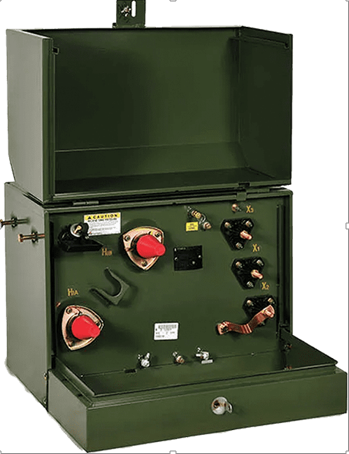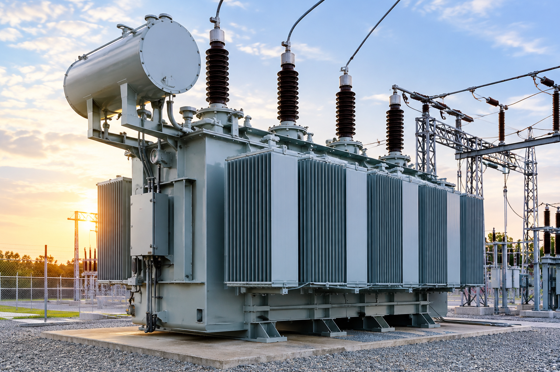

A 5000 kVA transformer is a high-capacity electrical unit designed to transfer electrical energy between circuits through electromagnetic induction. It is commonly used in industrial facilities, commercial complexes, manufacturing plants, infrastructure projects, and power distribution networks that require substantial electrical loads. Selecting the right transformer involves understanding its technical specifications, operating conditions, installation requirements, and long-term maintenance needs.
For electrical engineers, procurement teams, and facility managers, these factors help determine whether a particular transformer can meet current demand while supporting future expansion.
What Is a 5000 kVA Transformer?
A 5000 kVA transformer has a rated apparent power capacity of 5,000 kilovolt-amperes, equivalent to 5 MVA. Its actual active power output, measured in kilowatts, depends on the connected load’s power factor. For example, at a power factor of 0.9, a fully loaded unit corresponds to approximately 4,500 kW of active power.
Transformers of this capacity are generally used in facilities with heavy electrical requirements. They can step down high-voltage electricity to a lower distribution voltage or step up voltage where transmission or specialized industrial applications require it.
The appropriate design depends on the electrical system, supply voltage, load profile, environmental conditions, and applicable standards.
See also: Choosing the Right Foam Material for Modern Industrial Applications
Common Applications Across Industries
High-capacity transformers support operations where reliable power distribution is essential. Their applications vary according to the site’s electrical infrastructure and operating requirements.
- Manufacturing plants: Supply power to production machinery, industrial motors, automated equipment, and processing systems.
- Commercial developments: Serve large buildings, shopping centres, office campuses, and facilities with substantial electrical demand.
- Data centres: Support electrical distribution for servers, cooling systems, backup infrastructure, and other critical equipment.
- Infrastructure projects: Provide power for transport facilities, water treatment plants, and large public utility installations.
- Renewable energy projects: Support voltage conversion and grid integration where the plant’s design requires a transformer of this rating.
A detailed load assessment is necessary before choosing the capacity. Engineers should consider maximum demand, motor starting currents, harmonic loads, expected expansion, and the availability of alternative supply arrangements.
Oil-Immersed or Dry-Type: Which Design Fits?
Oil-immersed transformers use insulating liquid for electrical insulation and heat transfer. They are frequently selected for substations, outdoor installations, and industrial distribution systems where the design can accommodate oil containment, fire protection, and inspection requirements.
Dry-type transformers use solid insulation and air-based or other specified cooling arrangements instead of conventional insulating oil. They may suit indoor installations where environmental conditions, building restrictions, and fire-safety considerations influence equipment selection.
Neither design is automatically superior in every situation. The decision should account for installation location, ventilation, fire risk, maintenance access, operating losses, noise limits, and total ownership cost.
What Determines the 5000 kVA Transformer Price?
The purchase cost depends on more than the rated capacity. Two units with the same rating can have significantly different prices because of their voltage ratings, construction, efficiency requirements, and included accessories.
The principal cost factors include:
Core and winding materials: Copper windings generally cost more than aluminium windings, although the final comparison depends on the complete design, conductor sizes, losses, and operating requirements.
Voltage and insulation requirements: Higher system voltages and specified insulation levels can affect material selection, manufacturing processes, testing, and overall cost.
Efficiency and losses: Buyers may specify maximum no-load and load losses. A design with lower losses can reduce electricity expenditure over the equipment’s operating life, even when its initial purchase price is higher.
Cooling and enclosure: Cooling arrangements, protective enclosures, sound requirements, and environmental specifications influence manufacturing costs.
Accessories and protection: Temperature indicators, pressure-relief devices, conservators, monitoring equipment, tap changers, and protection accessories may be included depending on the design.
Testing, transport, and installation: Factory acceptance tests, special transportation arrangements, unloading, commissioning, and site preparation can add to the project budget.
A reliable quotation should identify the technical configuration, included accessories, testing scope, delivery terms, taxes, warranty, and commissioning responsibilities. Comparing quotations on an identical specification provides a more meaningful assessment than comparing headline prices alone.
Installation and Maintenance Considerations
A transformer of this capacity requires careful planning before delivery. The installation site must provide adequate structural support, access for heavy transport equipment, suitable clearances, and appropriate earthing arrangements.
Engineers should also verify cable and busbar sizing, protection coordination, ventilation, fire-safety provisions, and compliance with local electrical regulations. For outdoor substations, drainage, weather protection, and access control may also require attention.
Routine maintenance helps identify developing faults before they interrupt operations. Depending on the transformer design and manufacturer’s instructions, maintenance may include:
- Inspecting bushings, terminals, gaskets, and connections for damage or overheating.
- Checking oil levels and arranging insulating-oil tests where applicable.
- Monitoring temperature, loading, and abnormal operating noise.
- Inspecting cooling fans, pumps, radiators, and control equipment.
- Reviewing protective-device operation and maintaining service records.
Testing frequency should reflect operating conditions, manufacturer recommendations, applicable standards, and the criticality of the installation.
How to Select the Right Transformer
Before placing an order, prepare a detailed technical specification covering rated capacity, primary and secondary voltages, frequency, cooling method, impedance, winding material, permissible losses, insulation levels, and required accessories.
Request supporting documents such as guaranteed technical particulars, routine test reports, dimensional drawings, installation instructions, and warranty conditions. Confirm that the proposed equipment complies with applicable standards and the requirements of the relevant utility or project authority.
It is also worth evaluating the supplier’s manufacturing capability, technical support, spare-parts availability, and service arrangements. These considerations can affect maintenance costs and equipment availability throughout its service life.
A carefully specified transformer offers a sound basis for safe operation, dependable power distribution, and controlled long-term expenditure. By assessing electrical requirements alongside installation conditions and lifecycle costs, project teams can select equipment that meets operational needs without paying for unnecessary features.