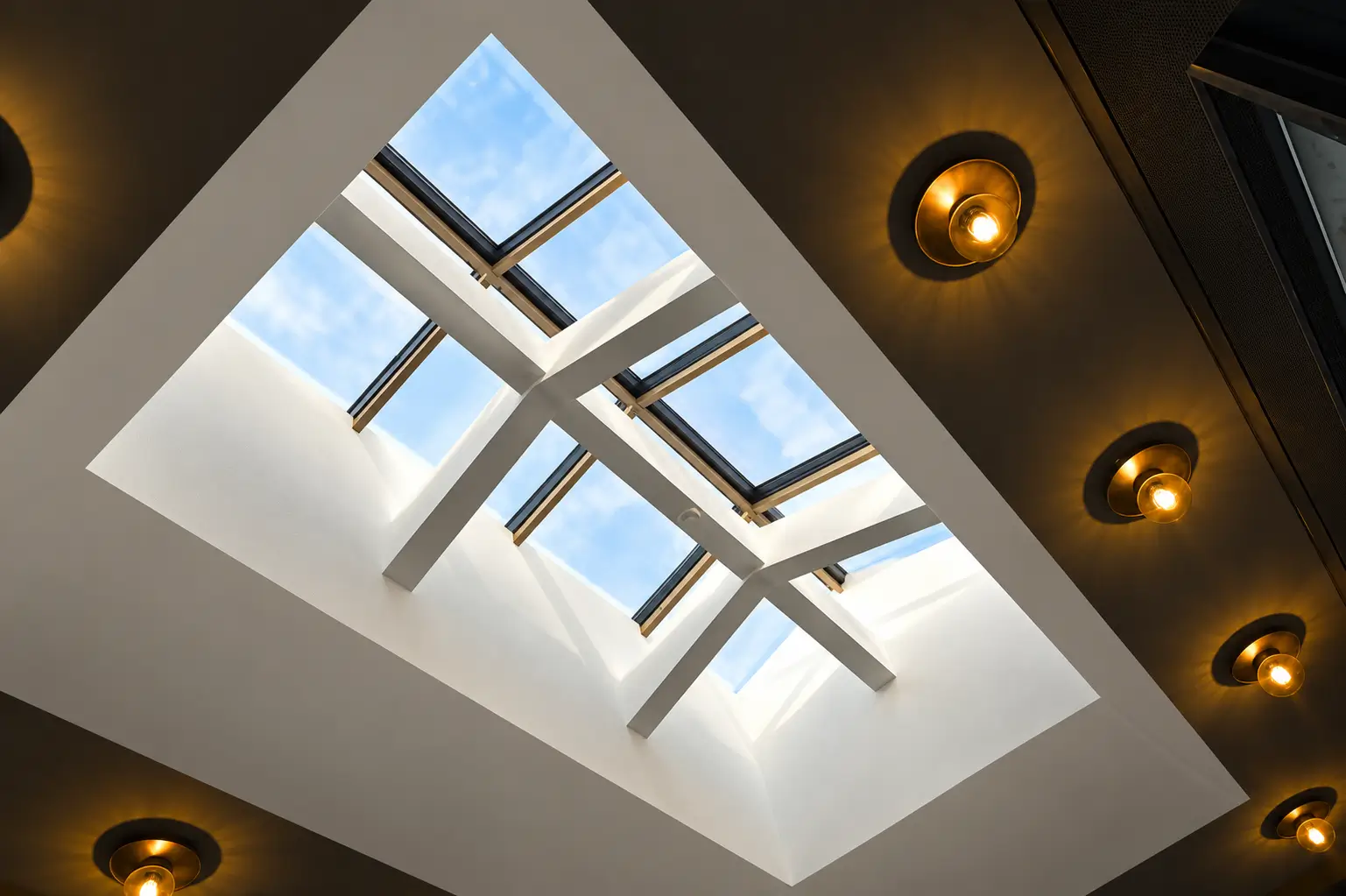

Natural daylight can make a room feel brighter, more spacious, and more comfortable. In properties with limited windows or rooms positioned beneath a flat roof, roof glazing offers a practical way to bring sunlight into areas that might otherwise remain dim. Choosing the right design requires careful consideration of glazing performance, roof structure, insulation, and installation quality.
A fixed glass roof light is designed to introduce natural light into a building without providing an opening for ventilation. It can suit extensions, kitchens, living rooms, hallways, offices, and other spaces where additional daylight is needed without the complexity of an opening mechanism.
Understanding the available options and their practical differences can help property owners make informed decisions before investing in roof glazing.
How Fixed Glass Roof Lights Work
A fixed glass roof light consists of a glazed unit installed within a roof opening. Its frame supports the glass and creates a weather-resistant connection between the glazing and the surrounding roof structure. Unlike an opening roof window, it remains closed and does not provide direct ventilation.
These installations are commonly used on flat and low-pitched roofs, although the suitability of a particular product depends on its design and the manufacturer’s installation requirements.
The amount of daylight entering a room depends on several factors, including the size of the glazed area, the direction the roof faces, the surrounding buildings, and the specification of the glass. A larger unit may admit more light, but its benefits should be balanced against heat loss, solar gain, and the overall design of the room.
The Benefits of Fixed Roof Glazing
One of the main advantages of fixed roof glazing is its ability to bring daylight into the centre of a building. This can be particularly useful in extensions where conventional windows are limited by neighbouring walls or the property’s layout.
Natural light can reduce reliance on artificial lighting during daylight hours, although the actual energy savings will depend on occupancy, lighting controls, weather, and the room’s orientation.
Fixed units also have fewer moving parts than opening alternatives. Without hinges or opening mechanisms, there are fewer mechanical components to maintain. However, the glass, frame, perimeter seals, and surrounding roof junction still require periodic inspection.
Another benefit is design flexibility. Roof glazing can create a visual connection with the sky and make compact rooms feel less enclosed. Carefully positioned units can also distribute light more evenly throughout an interior.
See also: Commercial Installation Services: A Practical Guide to Planning Workplace Installations
Understanding the Different Rooflight Options
Property owners can choose from several designs, each suited to different architectural requirements.
Fixed Rooflights for Everyday Living
Fixed rooflights are non-opening glazed units intended primarily for daylight rather than ventilation. They are available in different shapes, dimensions, frame materials, and glazing specifications.
They can work well in single-storey extensions, dining areas, kitchens, and commercial interiors. The main consideration is whether the room has sufficient alternative ventilation, particularly if it contains cooking appliances or is prone to moisture.
Fixed Flat Rooflights for Contemporary Buildings
Fixed flat rooflights generally feature a relatively level glazed surface that complements modern architecture. Depending on the product, the glazing may sit close to the roof surface or use a raised frame to accommodate drainage, insulation, and installation requirements.
A flat appearance does not remove the need for effective water management. The surrounding roof must be designed to direct rainwater away from the unit and prevent standing water from affecting seals or roof junctions.
The correct design will depend on the roof construction, available depth, and the manufacturer’s requirements for kerb height and minimum roof pitch.
Flat Fixed Rooflights and Their Practical Uses
Flat fixed rooflights are often selected where a discreet appearance is preferred. They can suit contemporary extensions and renovations in which the roofline needs to remain visually simple.
When comparing products, look beyond appearance. Check the overall dimensions, visible glass area, thermal performance, cleaning access, and whether the unit is compatible with the existing waterproofing system.
A product with a larger external frame may provide less visible glazing than another unit with the same external dimensions. Comparing technical drawings can therefore be more useful than comparing nominal sizes alone.
When a Fixed Flat Roof Skylight Is Suitable
A fixed flat roof skylight may be appropriate for rooms beneath a flat roof that need additional daylight but do not require ventilation through the roof itself.
Before choosing one, consider how the unit will affect the room throughout the year. South-facing glazing may receive substantial direct sunlight, while north-facing glazing generally provides more consistent indirect light. Nearby trees, taller buildings, and roof overhangs can also change the amount of daylight received.
Where overheating is a concern, solar-control glazing, external shading, or a carefully selected glazing area may help manage solar gain. The best choice depends on the building’s orientation, insulation, and intended use.
Glass, Insulation and Energy Performance
Glazing specifications influence comfort as much as appearance. Double-glazed and triple-glazed units can offer different levels of thermal insulation, depending on their construction and the performance of the complete assembly.
When comparing products, check the declared U-value. A lower U-value generally indicates better thermal insulation, but it is essential to establish whether the figure applies to the glass alone or the complete rooflight, including its frame.
Low-emissivity coatings and gas-filled glazing cavities can improve thermal performance. Solar-control coatings may also limit unwanted solar heat gain, although their effect on visible light transmission should be considered.
Safety is another important factor. Roof glazing should be specified for its intended location and use, with suitable safety glass and, where required, a system designed to prevent dangerous falls or resist impact. Applicable building regulations and product standards should guide the selection.
Installation and Waterproofing Considerations
Even a well-manufactured rooflight can perform poorly if it is installed incorrectly. The roof opening must be structurally suitable, and the supporting kerb or frame must match the product’s specifications.
The installer should ensure that the roof membrane connects correctly to the unit, that water can drain away, and that insulation and airtightness details are addressed. Poorly executed junctions can lead to water ingress, condensation, or unwanted heat loss.
Existing roofs may need additional structural assessment before an opening is created. Cutting roof joists or altering load-bearing components without appropriate design advice can compromise the building’s integrity.
It is sensible to use an experienced installer who understands the relevant roofing system and can provide clear information about installation details, warranties, and maintenance requirements.
Cleaning and Long-Term Maintenance
The upper glass surface collects rain marks, dust, leaves, and other debris. The frequency of cleaning depends on the surrounding environment and the rooflight’s accessibility.
Inspect the frame, seals, and surrounding roof covering periodically, particularly after severe weather. Any signs of persistent moisture, damaged seals, or water staining around the interior should be investigated promptly.
Cleaning should follow the manufacturer’s instructions. Avoid abrasive materials that could damage glass coatings or frame finishes, and do not walk on the glazing unless the product is specifically designed and certified for that purpose.
Choosing the Right Product for Your Property
Before purchasing a rooflight, establish the opening dimensions, roof construction, desired daylight level, and required thermal performance. Ask suppliers for technical specifications covering the complete unit, safety glazing, weather resistance, and compatibility with the proposed installation.
It is also worth checking delivery dimensions, access requirements, installation costs, and warranty conditions. A lower purchase price may not represent better value if the unit requires substantial alterations or has unsuitable performance characteristics.
The most suitable choice is one that fits the building’s structure, meets relevant regulatory requirements, and provides the right balance of daylight, thermal comfort, appearance, and maintenance needs.
A well-specified fixed glass roof light can improve the usability of an interior for many years. Taking time to assess the roof, compare glazing specifications, and plan the installation helps reduce avoidable problems and ensures the finished space performs as intended.