
A car’s air conditioning system depends on several components working together to keep the cabin cool, even during long journeys in hot weather. The compressor is responsible for circulating refrigerant through the system, allowing heat to be removed from the cabin. For Hyundai owners, understanding how an AC compressor Hyundai system operates can help identify early warning signs, avoid unnecessary repairs, and make better decisions when cooling performance starts to decline.
How the Air Conditioning Compressor Works
The compressor is often described as the heart of a vehicle’s air conditioning system because it pressurises and circulates refrigerant. It receives low-pressure refrigerant gas from the evaporator and compresses it before sending it to the condenser. The condenser then releases heat, allowing the refrigerant to continue through the cooling cycle.
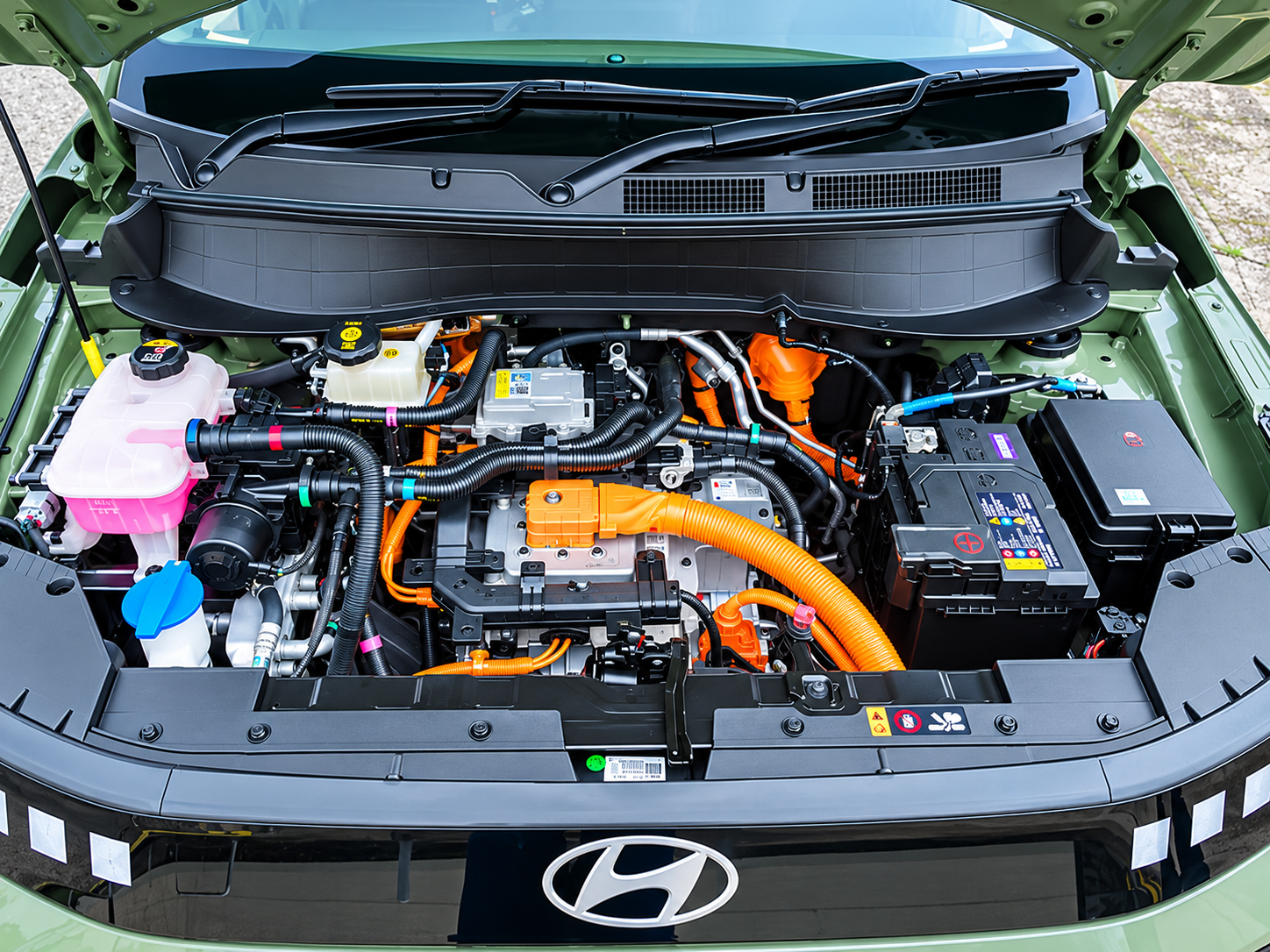
Depending on the Hyundai model, the compressor may use a conventional electromagnetic clutch or a variable-displacement design. Some newer vehicles also use electronically controlled compressors, while electric and hybrid models can have high-voltage electric compressors.
These differences matter during diagnosis and replacement. A compressor designed for one engine or model year may not be suitable for another, even when the vehicles look similar.
Warning Signs That the Compressor Needs Attention
Air conditioning problems rarely appear without some indication. Recognising the symptoms can help drivers arrange an inspection before a minor fault affects other parts of the system.
Warm Air From the Vents
If the air conditioning blows warm or only slightly cool air, the compressor may not be building sufficient pressure. However, low refrigerant levels, a refrigerant leak, a faulty pressure sensor, a damaged condenser fan, or an electrical problem can produce similar symptoms.
A technician should test the system rather than replace the compressor based on cabin temperature alone.
Unusual Noises When the AC Is Switched On
Grinding, rattling, squealing, or knocking sounds can indicate worn compressor bearings, clutch problems, belt issues, or internal damage. A noise that appears specifically when the air conditioning is activated deserves attention.
Drivers should avoid repeatedly operating a noisy system, particularly if the sound is severe or accompanied by a burning smell.
Intermittent Cooling
Cooling that starts and stops unexpectedly may point to an overheating compressor, an electrical fault, incorrect refrigerant pressure, or a failing control component. In some cases, the system switches the compressor off to protect it from damage.
Recording when the fault occurs, such as during slow traffic or after extended driving, can help a technician narrow down the cause.
Visible Refrigerant Leaks
Oil residue around compressor connections or seals may indicate a refrigerant leak. Refrigerant itself is not always visible, so a clean-looking compressor does not rule out leakage. Proper leak detection equipment is needed to identify the source.
Why Hyundai Compressors Can Develop Faults
Several factors can contribute to compressor failure. The precise cause depends on the vehicle’s age, operating conditions, maintenance history, and air conditioning design.
- Refrigerant loss: Leaks can reduce cooling performance and, in some systems, affect lubrication and compressor operation.
- Contaminated refrigerant or oil: Moisture, debris, or incorrect lubricant can damage internal components.
- Electrical faults: Damaged wiring, blown fuses, faulty relays, or defective control modules may prevent the compressor from operating correctly.
- Condenser problems: Restricted airflow or a malfunctioning cooling fan can cause excessive operating pressures.
- Mechanical wear: Bearings, clutches, seals, and internal compression components deteriorate over time.
- Incorrect previous repairs: Using unsuitable refrigerant, the wrong oil, or incompatible parts can shorten component life.
A compressor that has failed internally may also spread metal particles through the refrigerant circuit. In that situation, replacing the compressor without addressing contamination can lead to another failure.
Choosing the Correct Replacement Compressor
Selecting a replacement requires more than matching the vehicle manufacturer’s name. Hyundai has produced numerous models with different engine options, air conditioning configurations, and compressor specifications.
Before purchasing a Hyundai AC compressor, check the vehicle identification number (VIN), model, manufacturing year, engine variant, and the original compressor’s part number. The compressor’s mounting points, pulley arrangement, electrical connections, displacement, and refrigerant compatibility must also match.
A suitable replacement should meet the vehicle manufacturer’s technical requirements. Original equipment (OE), genuine replacement parts, and aftermarket alternatives may all be available, but their specifications, warranty coverage, and quality can differ.
When comparing products, review the following details:
- Exact vehicle and engine compatibility.
- Manufacturer and part number.
- Refrigerant type and required compressor oil.
- Whether the clutch, pulley, or control valve is included.
- Warranty terms and return conditions.
- Supplier reputation and availability of technical support.
A lower purchase price may not represent better value if the component has uncertain compatibility or limited warranty protection.
Maintenance Practices That Help Prevent Compressor Damage
Air conditioning maintenance can reduce avoidable strain on the system, although no routine can prevent every mechanical failure.
Run the air conditioning periodically. Operating the system regularly, including during cooler months when conditions permit, helps keep its components in use. Follow the vehicle handbook and avoid operation when the system is known to be faulty.
Keep the condenser clear. Leaves, insects, dust, and road debris can restrict airflow through the condenser. During servicing, ask for the condenser and cooling fan to be inspected and cleaned where necessary.
Address leaks promptly. Recharging refrigerant without finding the reason for the loss is only a temporary measure. A properly sealed system should not require frequent top-ups.
Replace the cabin filter as recommended. A clogged cabin air filter can restrict airflow into the passenger compartment. Although it does not directly repair or protect every compressor fault, replacing it when necessary supports effective cooling.
Follow the correct servicing procedure. Refrigerant recovery, evacuation, leak testing, charging, and oil balancing should be performed with suitable equipment. Refrigerants must not be deliberately vented into the atmosphere.
Repair or Replace: Making the Right Decision
Not every air conditioning fault requires a new compressor. If the problem comes from a fuse, relay, wiring connection, pressure sensor, or control valve, repairing that component may restore normal operation.
A technician should first check system pressures, compressor activation, electrical signals, refrigerant quantity, and evidence of leakage. If the compressor is mechanically damaged or cannot produce the required pressure, replacement may be necessary.
The condition of the rest of the system also affects the repair plan. Where internal compressor failure has contaminated the circuit, the technician may need to clean or replace specified components, install a new receiver-drier or accumulator where applicable, and follow the manufacturer’s flushing requirements. Some components, such as certain expansion devices, may also need attention.
The decision should account for labour, replacement-part quality, warranty, and the likelihood of repeat failure. A documented diagnosis is more useful than a recommendation based only on the age of the vehicle.
Understanding Replacement Costs
The total cost depends on the Hyundai model, compressor type, parts availability, labour rates, and the additional work required. A straightforward replacement can cost considerably less than a repair involving extensive contamination or damaged supporting components.
Ask the workshop for an itemised estimate that separates the compressor, labour, refrigerant, lubricant, seals, and any additional parts. Confirm whether the quoted component is new, remanufactured, or used, since these categories may have different reliability and warranty implications.
It is also sensible to ask whether the supplier or workshop requires the old compressor to be returned for warranty assessment. Keeping the invoice and service report can help if a claim becomes necessary.
What to Check Before Your Next AC Service
Before booking a repair, note the symptoms, when they occur, and whether the compressor makes unusual noises. Check the owner’s handbook for the recommended refrigerant specification and maintenance guidance. Avoid opening refrigerant lines or attempting high-pressure system repairs yourself.
For any Hyundai air conditioner compressor replacement, insist on correct part identification, a clear diagnosis, and testing after installation. The technician should verify cooling performance, operating pressures, leak integrity, and proper compressor operation according to the vehicle’s service procedures.
Reliable air conditioning depends on the entire system, not just one component. Prompt diagnosis, compatible replacement parts, and correct installation can help Hyundai owners restore cabin comfort while reducing the risk of repeat repairs.