
A toilet that will not flush properly can disrupt a household, create unpleasant odours and leave a bathroom unusable. The cause may be as simple as excess toilet paper or as serious as a blockage deep within the drainage system. Knowing how to respond to a blocked toilet in Canberra households experience can help prevent water damage, reduce hygiene risks and determine when professional assistance is needed. A few careful checks can reveal what is happening, but knowing when to stop attempting a repair is equally important.
Common Reasons Toilets Become Blocked
Toilet blockages develop for several reasons, and the location of the obstruction often determines how difficult it is to remove.
Excessive toilet paper is a frequent cause, particularly in older toilets with limited flushing capacity. Items such as wet wipes, cotton buds, sanitary products, nappies and paper towels can also obstruct the pipework. Products labelled as flushable may not break down quickly enough to pass through household drainage systems.
Mineral deposits and accumulated waste can gradually narrow older pipes. Tree roots may enter damaged underground drainage lines, especially where joints have deteriorated. In these cases, repeated blockages may indicate a larger plumbing problem rather than an isolated obstruction.
A toilet that drains slowly alongside gurgling sounds from nearby sinks or floor drains may point to a blockage further along the drainage system. If several fixtures are affected, the issue is less likely to be confined to the toilet bowl.
What to Do When the Toilet Will Not Flush
The first priority is to prevent an overflow. If the water level is rising after a flush, do not flush again. Allow the level to settle before attempting any further action.
If water continues entering the bowl, locate the toilet’s isolation valve, usually positioned near the base or behind the cistern, and turn it clockwise to stop the water supply. Avoid forcing a stiff or corroded valve, as this could cause a leak.
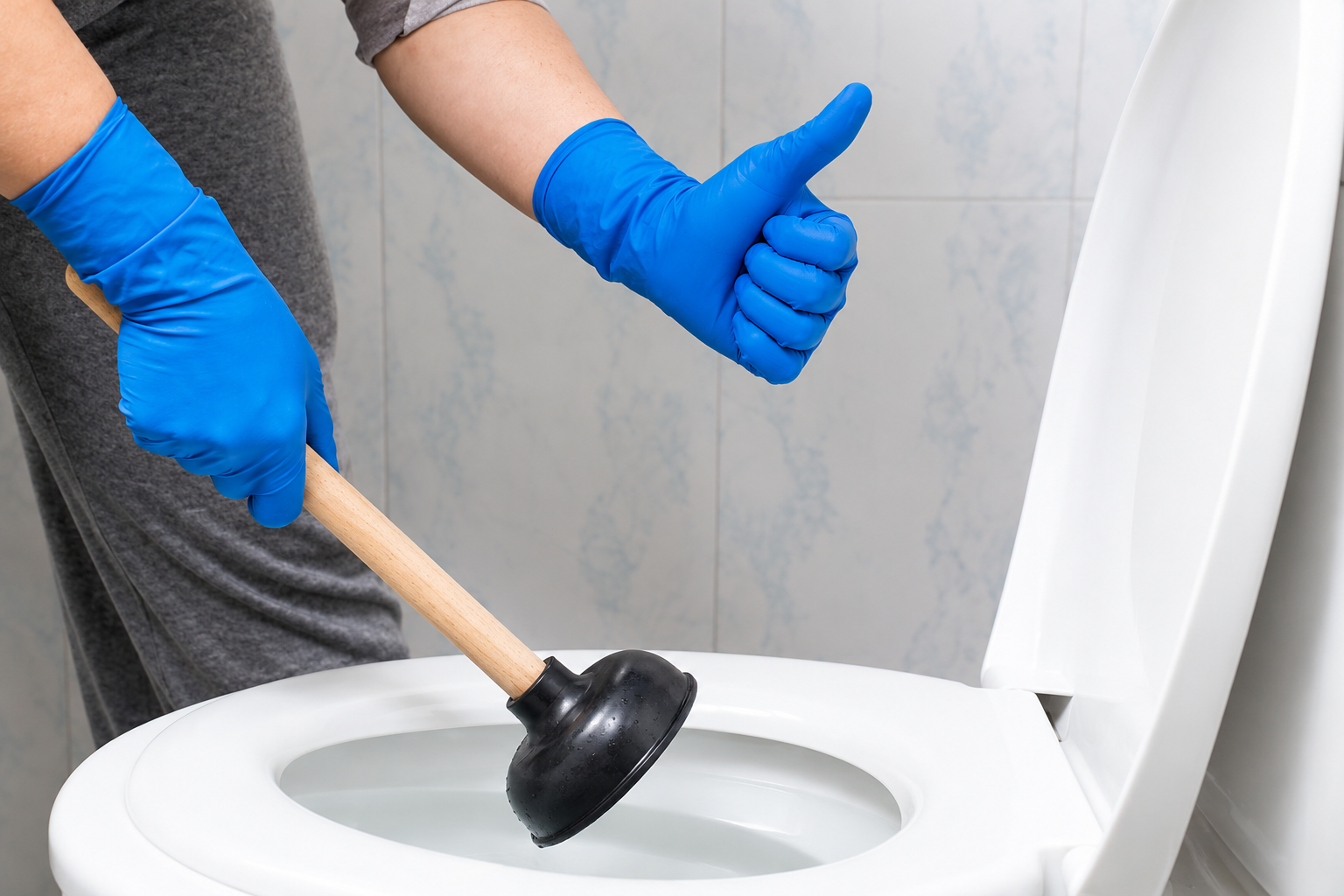
A flange plunger designed for toilets can help dislodge a minor blockage. Position the rubber cup over the outlet, ensuring a reasonable seal, and push gently before pulling back firmly. Repeat the movement several times without splashing water outside the bowl.
Avoid pouring boiling water into the toilet. Sudden temperature changes can damage porcelain, while chemical drain cleaners may harm plumbing components, create hazardous splashes or complicate later repairs.
If plunging does not restore normal drainage, stop rather than applying excessive force. A plumber can inspect the pipework and use suitable equipment to identify and remove the obstruction.
Signs the Problem May Be More Serious
Some warning signs suggest that a blockage needs professional attention rather than repeated attempts with household tools.
Watch for these symptoms:
- Water backing up into a shower, bath or floor drain when the toilet is flushed.
- Gurgling noises coming from multiple plumbing fixtures.
- Wastewater rising in the toilet bowl without a recent flush.
- Blockages that return shortly after being cleared.
- Persistent sewage smells around bathrooms or outdoor drainage points.
- Water pooling near the toilet’s base or around inspection openings.
These symptoms may indicate a restricted sewer line, damaged pipework or a problem with the property’s drainage connection. Continuing to use affected fixtures can worsen the backup and expose occupants to contaminated water.
Households experiencing a blocked toilet residents cannot clear safely should seek a qualified plumber, particularly when wastewater is overflowing or multiple drains are affected.
Why a Toilet May Leak Even When It Still Flushes
A leaking toilet does not always have a visible puddle around its base. Water may escape inside the cistern, seep through a worn seal or leak from a connection behind the pan.
A faulty inlet valve can allow water to continue entering the cistern after it has filled. A damaged flush valve or deteriorated seal may let water trickle into the bowl continuously. These faults can waste substantial amounts of water over time, even when the toilet appears to be working normally.
A leaking toilet in canberra homeowners notice should be checked promptly to establish where the water is escaping. Listening for constant refilling and checking for movement in the bowl water when the toilet has not been used can help identify a possible cistern fault.
Water around the base requires closer attention. The pan connector, mounting arrangement or seal between the toilet and the waste outlet may be damaged. If the water is contaminated or the source is uncertain, avoid using the toilet until it has been inspected.
Do not assume that every leak comes from a loose fitting. Tightening porcelain fixtures excessively can crack the ceramic, while replacing the wrong component may leave the underlying fault unresolved.
When Professional Toilet Repairs Are Necessary
Some minor issues can be addressed with basic household tools, but persistent faults often require specialist equipment and plumbing knowledge.
Professional toilet repairs in Canberra residents may involve clearing a blocked waste pipe, replacing cistern components, repairing leaking connections or investigating damage to underground drainage. The appropriate repair depends on the cause, not simply the visible symptom.
A plumber may use a drain auger to remove an obstruction or a drain camera to inspect sections of pipework that cannot be assessed from the toilet itself. Where tree roots, collapsed pipes or significant deterioration are suspected, further investigation may be needed before deciding on the repair.
Before work begins, ask the plumber to explain the likely cause, the proposed method and the expected cost. If the blockage keeps returning, request an explanation of why it is recurring rather than relying on repeated temporary clearing.
For urgent situations involving sewage overflow, shut off the water supply if safe, keep children and pets away from the affected area, and avoid contact with contaminated water. Significant leaks or damaged pipework should be assessed without delay.
Canberra Conditions and Household Plumbing
Local conditions can influence the maintenance needs of residential plumbing. Canberra experiences cold winter temperatures, and exposed pipes or poorly protected plumbing components may be vulnerable during severe cold snaps. However, freezing is not the usual explanation for an ordinary toilet blockage.
Older homes may also have ageing drainage infrastructure, while established gardens can allow tree roots to reach underground pipes. These factors do not automatically mean a property has damaged plumbing, but they are worth considering when blockages repeatedly occur.
Households should pay attention to changes in drainage behaviour, particularly after renovations, landscaping or work near buried pipes. If several fixtures begin draining slowly at the same time, the problem may involve a shared drain rather than an individual toilet.
Practical Ways to Prevent Future Blockages
Good toilet habits reduce the risk of avoidable plumbing problems. Only human waste and toilet paper should be flushed. Keep wipes, sanitary products, dental floss, paper towels and other household rubbish in a bin.
Avoid using excessive quantities of toilet paper in one flush. If the toilet regularly struggles to clear ordinary waste, have its flushing performance and drainage checked rather than relying on repeated flushing.
Inspect the cistern occasionally for continuous running water, and pay attention to damp patches, unusual odours or changes in the water level. Addressing a small leak early can prevent water waste and reduce the chance of damage to nearby flooring.
For properties with recurring drainage issues, periodic professional assessment may help identify root intrusion, pipe deterioration or poor drainage performance before a major blockage develops.
Keeping the Bathroom Safe and Functional
A toilet blockage is not always an emergency, but an overflowing bowl, sewage backup or persistent leak needs prompt attention. Stop using the affected fixture, prevent further water from entering where possible and avoid chemical treatments that could create additional hazards.
Understanding the likely cause helps households choose the right response. Minor obstructions may respond to careful plunging, while repeated blockages, multiple slow drains and water escaping around the toilet can signal faults that need professional investigation. Acting early can limit disruption, protect the property and help keep the bathroom safe and usable.