
Bar soap remains a practical choice for many households, whether it is used at the bathroom sink, in the shower, or beside the kitchen sink. However, small soap pieces can become difficult to handle as they shrink, and a wet bar left on a flat surface may soften or leave residue behind. A simple accessory can help make everyday soap use more convenient: the soap bag.
A soap bag is a small pouch designed to hold a bar of soap while allowing water to pass through its material. Depending on its construction, it can help create lather, provide a textured surface for washing, and keep smaller soap pieces together. With the right care, a soap pouch can become a useful addition to a regular bathing routine.
What Is a Soap Bag?
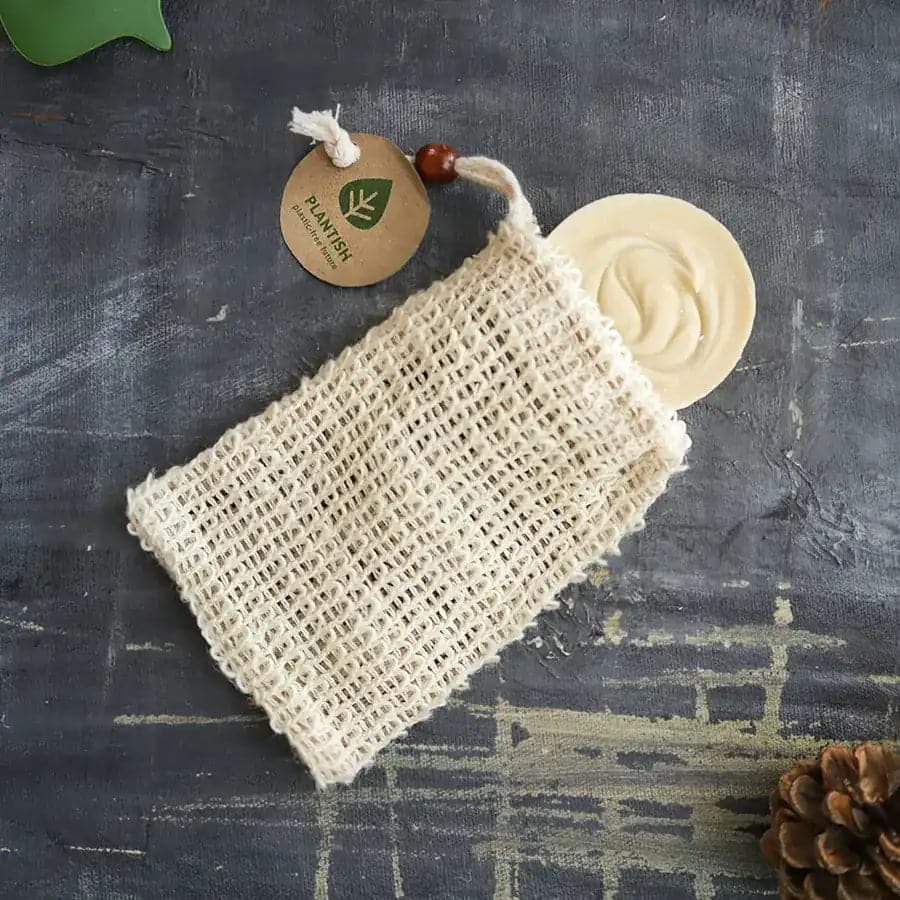
A soap bag is a pouch that holds a bar of soap inside a fabric or mesh enclosure. It usually has an opening or drawstring that allows the soap to be inserted and removed when necessary.
Soap bags come in different materials, including cotton, mesh, and natural fibers such as sisal. Some have a relatively smooth texture, while others are designed to provide additional friction during washing.
The pouch allows the soap to remain contained as you use it. Instead of holding a slippery bar directly, you can grip the bag and rub it gently over your hands or body, depending on the product’s intended use.
Although soap bags are sometimes called soap savers, their features vary. Some are designed primarily to hold soap scraps, while others are intended for lathering or gentle exfoliation.
Why Use a Soap Bag?
A soap pouch can offer several practical benefits, especially for people who regularly use solid soap.
1. Make Small Soap Pieces Easier to Use
One common frustration with bar soap is dealing with the last small piece. It can become slippery, difficult to grip, or inconvenient to use on its own.
A soap bag can hold smaller pieces together, allowing you to continue using them rather than immediately discarding them. Place suitable soap remnants inside the pouch and use them together as you normally would.
This can help reduce the amount of soap left unused, although the results depend on the size of the pouch and how the soap dissolves.
2. Help Create Lather
The material of a soap bag can create friction as it moves against the soap and skin. With water and a little rubbing, this can help distribute the soap and produce lather.
The amount of lather depends on the soap formulation, the fabric, and the amount of water used. A soap bag does not guarantee more foam with every type of bar, but it can make some soaps easier to handle during washing.
3. Provide a More Secure Grip
Wet bar soap can be slippery, particularly when it becomes small. A pouch gives you a fabric surface to hold, which may make washing more comfortable.
This can be useful when using a bar in the shower or at the sink. Choose a pouch that feels comfortable in your hand and has an opening that keeps the soap securely inside.
4. Keep Soap Pieces Together
A soap bag provides a designated place for a bar or several small remnants. This can make storage more organized and reduce the chance of soap pieces slipping around a shower shelf.
The pouch still needs to dry properly between uses. Keeping soap enclosed in a continuously wet bag can make it soften more quickly.
Different Types of Soap Bags
The material of a soap bag affects its texture, drying time, durability, and overall feel. Understanding the main options can help you choose one that suits your routine.
Cotton Soap Bags
Cotton soap bags are made from cotton fabric or cotton mesh. Depending on the weave, they may have a soft feel or a slightly textured surface.
They can be useful for holding a bar of soap and keeping small remnants together. Check the product’s care instructions to understand whether it can be machine-washed or should be cleaned by hand.
Cotton can retain moisture, so allowing the pouch to dry completely between uses is important.
Sisal Soap Bags
Sisal is a plant-derived fiber commonly used in textured household and personal-care products. A sisal soap bag typically has a firmer, more textured surface than a smooth fabric pouch.
This texture may provide gentle physical exfoliation for some users. However, it can feel too abrasive for sensitive or irritated skin. Apply light pressure, avoid delicate areas, and discontinue use if the material causes discomfort.
Sisal bags should be rinsed after use and stored somewhere with good airflow.
Mesh Soap Bags
Mesh soap bags have an open construction that allows water to move through the material. Depending on the weave and fiber, they may be lightweight and convenient for everyday use.
The open structure can help with rinsing, but it does not eliminate the need for proper drying. Soap residue can still collect within the material over time.
Soap Saver Pouches
Some soap pouches are designed specifically to hold small pieces of leftover bar soap. Their main purpose is to make remnants easier to use rather than provide a strong exfoliating effect.
If reducing soap waste is your priority, look for a pouch that securely holds small pieces and can be opened easily for cleaning.
How to Choose the Right Soap Bag
The best pouch depends on how you intend to use it and how much texture your skin can comfortably tolerate.
Consider the Material
Start by deciding whether you prefer cotton, mesh, sisal, or another material. A softer fabric may be suitable for everyday handling, while a textured natural-fiber pouch may appeal to someone who wants a little additional friction during washing.
Check the product description to understand the exact material composition rather than relying on broad labels such as natural or eco-friendly.
Think About Skin Sensitivity
If you have sensitive skin, a smooth or soft pouch may be a better starting point than a coarse exfoliating bag.
A textured soap bag should not be used aggressively. Avoid rubbing over cuts, rashes, sunburn, or irritated areas. People with conditions that make their skin fragile should be cautious with physical exfoliation.
Check the Size
The pouch should comfortably hold your preferred bar of soap. A bag that is too small may be difficult to fill, while an oversized pouch may allow the soap to move around unnecessarily.
If you regularly save small soap pieces, consider whether the opening is wide enough to add remnants without difficulty.
Look at the Closure
Drawstrings and other closures help keep the soap inside the pouch during use. Make sure the closure is easy to operate and secure enough to prevent the bar from slipping out.
A hanging loop can also be useful if you want to store the pouch on a suitable hook between uses.
Review Cleaning Instructions
A soap bag needs regular rinsing and occasional deeper cleaning. Before purchasing, check whether the material can be washed and how it should be dried.
Choosing a pouch that is easy to maintain can make it more practical for everyday use.
You can explore the soap bag collection at Plantish Future to compare available options and review their materials and intended uses.
How to Use a Soap Bag Correctly
Using a soap bag is generally straightforward, but a few simple steps can help you get the most from it.
Step 1: Insert the soap. Open the pouch and place a suitable bar or several small soap remnants inside. Avoid overfilling it.
Step 2: Secure the opening. Tighten the drawstring or close the pouch according to its design.
Step 3: Wet the pouch. Run it under water to moisten the soap and material.
Step 4: Build a lather. Rub the pouch gently between your hands or use it on the intended body area. Add water as needed.
Step 5: Wash gently. Use light, controlled movements. If the pouch has a rough texture, avoid applying excessive pressure.
Step 6: Rinse thoroughly. Remove remaining soap residue from the outside of the pouch.
Step 7: Allow it to dry. Hang the bag or place it somewhere well ventilated, away from standing water.
Always follow the manufacturer’s instructions, especially if the pouch is designed for a specific type of soap or use.
How to Clean and Maintain a Soap Bag
Because a soap bag is repeatedly exposed to water, soap residue, and skin contact, it should be cleaned regularly.
After use, rinse the pouch thoroughly to remove leftover soap. Squeeze out excess water gently without damaging the fibers, then hang it in a location with good airflow.
Follow the material-specific washing instructions for deeper cleaning. Some bags may be suitable for machine washing, while others may require handwashing. Avoid assuming that every natural-fiber pouch can tolerate hot water or harsh cleaning products.
Inspect the bag periodically for fraying, damaged seams, persistent odors, or material breakdown. Replace it if it can no longer be cleaned effectively or begins to deteriorate.
Do not leave the pouch permanently sealed around a wet bar. If you are storing soap between uses, allow both the soap and the pouch to dry as much as possible.
Common Soap Bag Mistakes to Avoid
A few habits can make a soap pouch less effective or less comfortable to use.
- Leaving it constantly wet: Excess moisture can soften the soap and make the pouch unpleasant to use.
- Scrubbing too firmly: A textured bag can irritate the skin when used with excessive pressure.
- Overfilling the pouch: Too much soap may make the bag difficult to close and handle.
- Ignoring cleaning: Soap residue and moisture can accumulate in the fabric.
- Using it on irritated skin: Avoid exfoliating areas that are already damaged or inflamed.
- Assuming every pouch has the same purpose: Some are designed for soap storage, while others provide a more textured washing surface.
Are Soap Bags a Useful Addition to Your Bathroom?
A soap bag can be a practical accessory if you prefer bar soap, want to use smaller remnants, or find a pouch easier to grip than a wet bar. It may also help organize soap storage by keeping the bar in one designated place.
However, it is not essential for everyone. A soap dish that drains properly may be sufficient if your main concern is keeping bar soap dry. Likewise, people with sensitive skin may prefer using the soap directly with their hands or a soft washcloth rather than a textured pouch.
The right choice depends on your habits, preferences, and skin’s response.
Final Thoughts
Soap bags provide a simple way to hold bar soap, collect smaller remnants, and make washing more convenient. Cotton, mesh, and sisal options offer different textures and care requirements, so it is worth checking the material and intended use before buying.
Choose a suitable size, use gentle pressure, rinse the pouch after each use, and allow it to dry fully between washes. With regular care, a soap bag can become a useful part of a straightforward bathing routine while helping you make better use of the bar soap you already have.