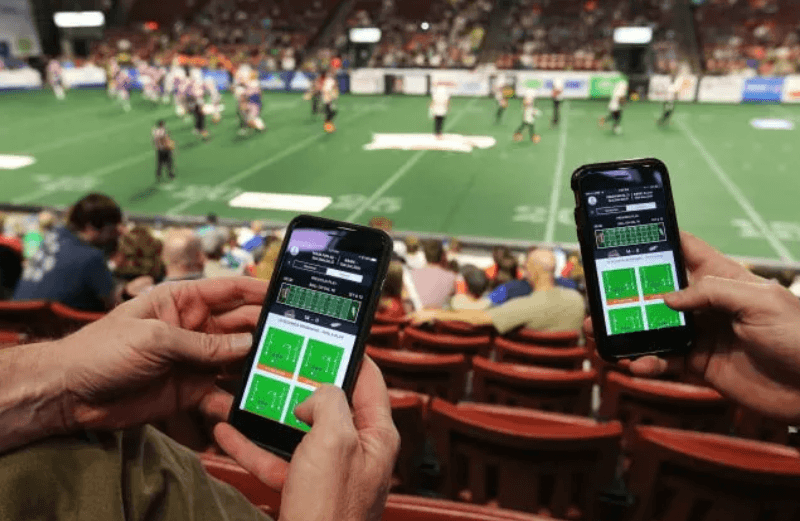

Watching a live game seldom entails just looking at one screen from beginning to end. The phone has gradually turned into an extra screen for the television and streaming, in fact, that has been the trend. Short stoppages of the active play are enough for fans to take out their phones, check a score, read a statistic, reply to a message, or discover how the reactions of others are to the events that have just taken place. They can stay focused on the game without having to switch completely.
The information people open during those pauses can range from team pages and live statistics to services connected with a desi casino sport bet. The common point is speed. Fans usually want a quick answer before play resumes, so the most useful mobile content is the kind that can be understood within seconds rather than explored through several screens.
A Short Pause Creates Time for a Quick Check
Most sports contain natural gaps. Cricket has breaks between deliveries and overs. Football stops for free kicks, substitutions, injuries, and VAR checks. Basketball offers timeouts and breaks between quarters. These moments give viewers a brief window to look away from the main screen without feeling that an important part of the match will immediately pass.
The length of the pause often determines what happens on the phone. A few seconds may be enough to check a score or notification. A longer stoppage can lead to player statistics, a replay, a match report, or a group chat. The phone becomes useful because it can provide extra context in small pieces that fit around the pace of the event.
Fans Rarely Open Just One Thing
A single event at an athletic game moment is quite enough to set in motion several mobile-related actions on the part of a person. After a goal, a wicket has been bowled, or if there has been a disputable decision, people often firstly reach for a messaging platform, subsequently switch to a replay clip, and eventually view a live stats chart. The actions are driven by the same question: what has just occurred, and how does it alter the game at present?
Common between-play phone activities include:
- Checking the current score or match clock.
- Looking at player and team statistics.
- Reading live commentary.
- Rewatching a recent moment when clips are available.
- Sending messages to friends or group chats.
- Checking lineups, substitutions, or recent match events.
The order changes from person to person and from sport to sport. What remains consistent is that a short break can turn into a compact information session, with several apps or tabs filling different parts of the same need.
The Phone Adds Context to What Just Happened
Television and live streams show the action, but they cannot display every statistic at the same time. A phone can fill that gap. After a wicket, a cricket fan may want to know how many balls the batter faced. After a football substitution, another viewer may check the incoming player’s season record. The main screen provides the event, while the second screen supplies the surrounding detail.
This combination is especially useful when the meaning of a moment is not immediately obvious. A score change may look ordinary until recent form, remaining time, or player performance is considered. Mobile pages can place those numbers together and help fans understand why a particular phase of the match feels different from the one that came before it.
Different Breaks Lead to Different Phone Habits
Not every pause encourages the same behavior. A short stoppage after an ordinary event usually leads to a quick glance, while a longer review or official break gives people more time to explore. The type of pause also matters. A tactical timeout invites different questions from a controversial decision, and halftime creates more space for reading than a few seconds between active plays.
Fans also adjust their phone use depending on how closely they are watching. Someone following every detail may use the second screen mainly for statistics. A more casual viewer may check messages, social feeds, or a short summary of the first half. The phone adapts easily because it can shift between match information and everyday communication without requiring a separate device or setup.
Second Screen Use Follows the Pace of the Match
Phone activity often rises around moments that create uncertainty or anticipation. A referee review, a new batter arriving at the crease, or a final timeout before a close finish gives viewers a natural reason to look for more information. Once play resumes, attention usually returns to the main screen, and the phone moves back into a supporting position.
This pattern explains why sports apps place so much emphasis on fast loading and clear summaries. A viewer may have less than a minute before the next phase begins. Pages that show the latest score, recent event, and useful context immediately fit that behavior better than interfaces that require several steps before reaching the information.
The Break Has Become Part of the Viewing Experience
The second screen does not have to compete with the match. Used during natural pauses, it can add detail without replacing the main event. Statistics, messages, replays, and live updates give fans different ways to stay connected while the action temporarily stops, which makes the viewing experience more flexible across different sports and devices.
That behavior also shows how live sports consumption has changed. The match remains at the center, but the few minutes around each active phase now carry their own digital activity. A short break can become time for checking facts, sharing reactions, or catching up on something missed earlier, allowing the phone to complement the event instead of simply sitting beside it.