
Introduction
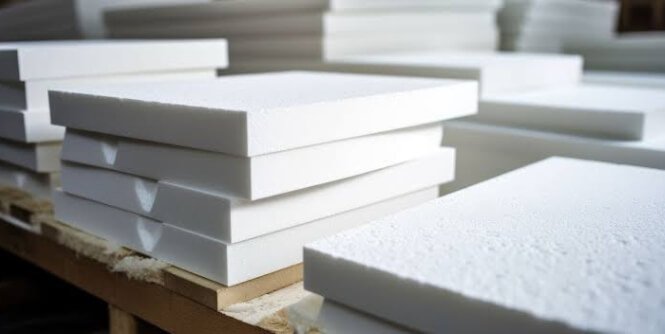
Foam materials play an important role in modern manufacturing, construction, packaging, automotive production, and consumer products. Their lightweight structure, cushioning ability, and insulating properties make them useful in applications where manufacturers need to balance performance, durability, and material efficiency. However, not all foam products offer the same characteristics, and selecting the right type requires an understanding of how each material is produced and used.
Cross-linked polyethylene foam is one option that has gained attention across a variety of industries. Its structure can provide a useful combination of flexibility, resilience, moisture resistance, and thermal insulation. These characteristics make it suitable for applications ranging from protective packaging to interior components and building materials.
Understanding the properties, manufacturing considerations, and practical uses of IXPE foam can help product designers and purchasing teams make better material decisions. The right choice depends on the working environment, expected service life, performance requirements, and total cost of the finished product.
What Makes Cross-Linked Polyethylene Foam Different?
Cross-linked polyethylene foam is produced from polyethylene, a widely used thermoplastic polymer. During manufacturing, cross-linking creates connections between polymer chains, changing how the material responds to heat, deformation, and mechanical stress.
IXPE, or irradiated cross-linked polyethylene, is a particular type of cross-linked foam that uses irradiation as part of the cross-linking process. This method helps create a more stable cellular structure with properties suitable for numerous industrial applications.
The finished foam consists of many small cells containing gas. The distribution and structure of these cells influence the material’s softness, density, cushioning performance, and insulation characteristics.
Manufacturers can produce different grades to meet specific requirements. Thickness, density, hardness, cell structure, and surface finish may vary according to the intended use. As a result, selecting a product should involve more than simply comparing dimensions or prices.
Key Properties and Performance Benefits
Lightweight Construction
One of the most useful characteristics of polyethylene foam is its relatively low weight. This can help reduce the overall mass of packaged products, vehicle components, protective layers, and other finished assemblies.
Lower component weight may simplify handling, installation, and transportation. In applications where many foam pieces are used, the cumulative weight reduction can become particularly valuable.
However, lightweight construction should not be the only selection criterion. The foam must still provide enough structural support, cushioning, or insulation for the intended application.
Cushioning and Impact Protection
The cellular structure of foam allows it to compress under pressure and recover to varying degrees when the load is removed. This makes suitable grades useful for cushioning products during transportation or protecting components against vibration and impact.
Electronics, precision equipment, fragile consumer goods, and selected automotive parts may benefit from properly designed foam inserts or protective layers.
Cushioning performance depends on density, thickness, cell structure, and the magnitude of the applied force. A material that performs well under one loading condition may not be suitable for a heavier product or repeated high-impact use. Product testing is therefore important when protection is critical.
Moisture Resistance
Closed-cell polyethylene foam generally absorbs less water than many open-cell foam materials. This property can be beneficial in environments where occasional moisture exposure is expected.
Potential applications include protective packaging, interior components, insulation layers, and selected building products. Nevertheless, moisture resistance does not automatically make every finished assembly waterproof. Seams, joints, adhesives, surface damage, and installation details can affect the performance of the complete system.
Buyers should evaluate the conditions in which the material will be used rather than relying on a general description of water resistance.
Thermal Insulation
The gas trapped within the foam’s cellular structure can reduce heat transfer. Depending on its formulation and thickness, the material may be used in insulation layers for building components, vehicles, equipment, and consumer products.
Thermal performance varies with density, temperature, compression, and other design factors. Where precise insulation performance is required, manufacturers should request relevant test data and evaluate the material under conditions similar to those expected in service.
Flexibility and Surface Quality
Cross-linked polyethylene foam can offer a smooth surface and a degree of flexibility that supports cutting, laminating, shaping, and other conversion processes.
These characteristics allow manufacturers to produce custom inserts, protective pads, liners, gaskets, and layered components. The exact processing options depend on the grade, thickness, and manufacturing method.
A consistent surface can also be useful in products where appearance and clean finishing matter. However, adhesion between foam and other materials should be tested because surface characteristics and adhesive chemistry can influence bonding strength.
Where IXPE Foam Is Commonly Used
Automotive Interiors
Automotive manufacturers use foam materials in various interior applications, including padding, insulation, vibration management, and protective layers. Lightweight foam can help designers meet comfort and packaging requirements without adding unnecessary mass.
Potential uses include door-panel components, floor-related layers, dashboard assemblies, and selected trim applications. The correct grade must withstand the expected temperature range and mechanical conditions.
Automotive applications may also require compliance with specifications for odor, emissions, flame behavior, and durability. Buyers should confirm the relevant requirements before approving a material for production.
Protective Packaging
Protective packaging must limit damage caused by movement, vibration, and impact during storage or transportation. Foam inserts can be cut or shaped to fit the contours of individual products, helping keep them secure inside a package.
Suitable polyethylene foam grades may be used for electronics, tools, instruments, glass products, and other items requiring cushioning.
Packaging designers should consider the product’s weight, fragility, shipping conditions, and the possibility of repeated handling. Prototype testing can reveal whether the selected foam provides sufficient protection without excessive material use.
Building and Construction
Foam materials are used in construction for insulation, cushioning, joint-related applications, and protective layers. Their low weight can make them easier to transport and install compared with some heavier alternatives.
In construction projects, selection should account for temperature variation, compression, moisture exposure, fire-safety requirements, and the surrounding building materials. Not every foam grade is suitable for every location, particularly where strict building regulations apply.
Correct installation is also essential. Gaps, compression, and poorly sealed joints can reduce the performance of an insulation system even when the foam itself has suitable properties.
Sports, Recreation, and Consumer Products
Foam is also used in exercise mats, protective pads, footwear components, play products, and other consumer goods. In these applications, comfort, flexibility, durability, and ease of cleaning may influence the choice of material.
Different products require different balances of softness and support. For example, a cushioning layer designed for repeated compression may need different performance characteristics from a lightweight protective liner.
Product developers should test the foam under realistic use conditions to determine whether it maintains its shape and performance over time.
How to Select the Right Foam Grade
Choosing an appropriate foam grade begins with a clear definition of the product’s requirements.
First, identify the primary function. Determine whether the foam must provide cushioning, thermal insulation, vibration reduction, surface protection, or a combination of functions.
Next, establish the physical specifications. Thickness, density, hardness, dimensions, and acceptable tolerances should be documented. These details help suppliers recommend suitable grades and manufacturing methods.
Consider environmental exposure. Temperature, humidity, ultraviolet exposure, chemicals, and repeated compression may affect performance. The foam should be tested against the conditions expected during storage, installation, and use.
Evaluate processing requirements. Some projects need die-cutting, lamination, adhesive backing, embossing, or custom shaping. Confirm that the material can be converted using the intended production equipment.
Finally, review quality consistency and supply reliability. Manufacturers should request samples, technical data sheets, and relevant test reports before committing to large orders. Consistent specifications are especially important for products manufactured at scale.
See also: Top Madrid Travel Attractions Tourists Love
Sustainability and Material Efficiency
Material efficiency is an important consideration when selecting foam products. Designers can reduce unnecessary waste by optimizing thickness, cutting patterns, component dimensions, and packaging layouts.
Manufacturing processes should also be reviewed for scrap generation and opportunities to improve material utilization. Where recycling or recovery options exist, businesses should confirm whether the particular foam grade and any attached materials are accepted by the available facilities.
Cross-linked materials can present recycling challenges compared with some conventional thermoplastics because their polymer networks do not behave in the same way during remelting. Therefore, sustainability assessments should consider the full product lifecycle rather than assuming that all polyethylene-based foams can be recycled through standard plastic streams.
Durability can contribute to resource efficiency when a product lasts longer and requires fewer replacements. The most appropriate material is one that meets the required performance standards while supporting responsible manufacturing and end-of-life planning.
Frequently Asked Questions
1. What is the difference between IXPE and ordinary polyethylene foam?
IXPE is irradiated cross-linked polyethylene foam. Irradiation helps establish cross-links within the polymer structure, influencing its mechanical and thermal behavior. Ordinary polyethylene foam may use different manufacturing processes and may not have the same structure or performance characteristics. The exact differences depend on the products being compared.
2. Is IXPE foam suitable for moisture-sensitive applications?
Its closed-cell structure generally provides good resistance to water absorption, making suitable grades useful in many applications involving occasional moisture exposure. However, the complete product’s performance also depends on seams, adhesives, installation, and the severity of exposure. Specific requirements should be verified through appropriate testing.
3. How should manufacturers choose the correct IXPE foam thickness?
Thickness should be selected according to the required cushioning, insulation, flexibility, available installation space, and expected load. Manufacturers should also consider density and hardness because thickness alone does not determine performance. Testing samples under realistic conditions is a practical way to identify a suitable specification.
Conclusion
Cross-linked polyethylene foam offers a versatile combination of low weight, cushioning, moisture resistance, and insulation potential. These characteristics make it useful in automotive interiors, protective packaging, construction, and a range of consumer products.
Successful material selection requires a clear understanding of the intended application, environmental conditions, physical specifications, and manufacturing requirements. Evaluating samples and technical data before full-scale production helps reduce the risk of selecting an unsuitable grade.
By focusing on performance, consistency, material efficiency, and responsible end-of-life planning, businesses can use foam materials more effectively and develop products that meet practical requirements without unnecessary complexity.