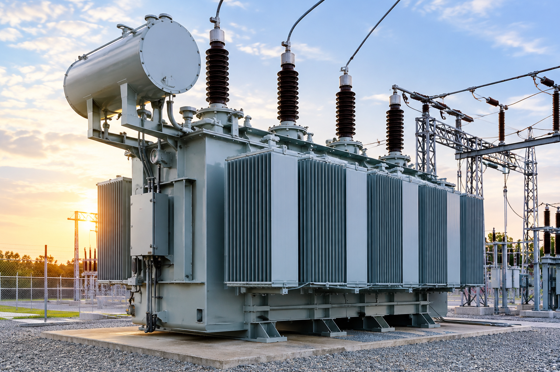

Choosing a transformer involves more than selecting a power rating that appears suitable for a building or piece of equipment. Voltage compatibility, connected load, operating conditions, insulation, and protection requirements all affect how reliably the unit will perform. A mismatch between the transformer and the electrical system can lead to overheating, voltage problems, unnecessary energy losses, or expensive installation changes.
A 25 kVA single-phase transformer may suit small commercial facilities, workshops, rural installations, control systems, and other applications with single-phase power requirements. However, the rating alone does not establish whether the equipment is suitable. Buyers should review several technical specifications before placing an order to ensure the transformer matches the intended application and local electrical requirements.
1. Confirm the kVA Rating Against Your Actual Load
The first specification to check is the transformer’s apparent power rating. A 25 kVA unit can supply up to 25 kilovolt-amperes under its specified operating conditions. The usable real power, measured in kilowatts, depends on the connected load’s power factor.
For example, at a power factor of 0.8, a 25 kVA transformer corresponds to 20 kW of real power. This calculation does not mean every installation can continuously draw that amount under all conditions. Ambient temperature, installation arrangements, harmonics, and the manufacturer’s loading limits may affect its practical capacity.
Prepare a load schedule before selecting the unit. Include lighting, motors, pumps, machinery, computers, heating equipment, and other connected devices. Consider which loads operate simultaneously and identify any equipment that draws high starting current.
A 25 kva transformer single phase model may be sufficient for a modest installation, but expected future demand should also be considered. Buying a unit with inadequate capacity can cause operating problems, while excessive oversizing may increase initial costs and affect efficiency at lighter loads.
See also: What Patients Should Know About Ivermectin 3 mg Treatment
2. Check the Primary and Secondary Voltages
Voltage compatibility is one of the most important purchasing checks. The primary voltage is the voltage supplied to the transformer, while the secondary voltage is the level delivered to the connected equipment.
A transformer designed for a 240 V primary supply, for example, may not be suitable for a system operating at a much higher input voltage. The same principle applies to the secondary side: equipment designed for one voltage cannot automatically operate correctly on another.
Review the nameplate and manufacturer’s datasheet for both voltage ratings. If the transformer includes taps, confirm their available voltage settings and the approved method for selecting them. Taps can help accommodate variations in supply voltage, but they do not replace proper system design.
Buyers should also check whether the stated voltages refer to line-to-line, line-to-neutral, or another connection arrangement where relevant. Clear confirmation at the procurement stage helps prevent installation delays and avoids the expense of replacing an incorrectly specified unit.
3. Verify the Single-Phase Configuration
A single-phase transformer is designed for electrical systems using a single-phase supply. Its winding arrangement and terminal connections must match the intended application.
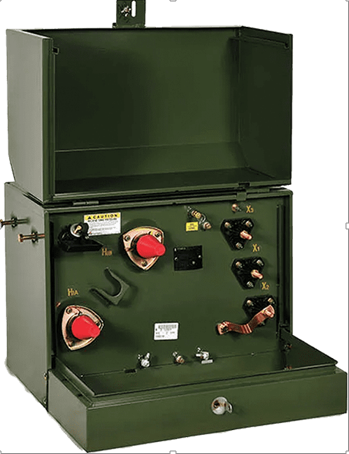
Check the primary and secondary winding configuration, terminal markings, and available connection options. Some installations require a neutral conductor on the secondary side, while others use a different arrangement depending on the equipment and distribution design.
The connection diagram should be available before installation. Electrical contractors need to know how the windings are connected, where the neutral is provided if applicable, and how the grounding system must be arranged.
Do not assume that all transformers with a 25 kVA rating share the same terminal layout or connection requirements. The correct configuration depends on the specific product and the electrical system it will serve.
4. Examine Frequency and Operating Conditions
Frequency compatibility is another specification that deserves attention. Transformers are designed for particular operating frequencies, commonly 50 Hz or 60 Hz. Using a transformer outside its approved frequency range can affect magnetic flux, heating, and performance.
Confirm that the frequency shown on the nameplate matches the local electrical supply. Buyers sourcing equipment internationally should pay particular attention to this detail because products manufactured for one market may have different standard ratings from those used elsewhere.
Operating conditions also influence transformer selection. Check the permitted ambient temperature, installation altitude, humidity limits, and environmental protection requirements. A unit intended for an indoor electrical room may not be appropriate for an exposed outdoor location without an enclosure designed for those conditions.
If the transformer will operate in a dusty workshop, a damp utility area, or a location with significant temperature fluctuations, discuss those conditions with the manufacturer or supplier before ordering.
5. Review Insulation and Cooling Methods
The insulation system separates electrical components and helps prevent short circuits and dielectric failure. Its design, temperature rating, and condition have a direct bearing on the transformer’s safe operating life.
Dry-type transformers commonly use air for cooling and are often considered for indoor installations where oil-filled equipment is unsuitable. Oil-immersed transformers use insulating liquid for electrical insulation and heat transfer, making them appropriate for certain outdoor and utility applications when installed according to the applicable requirements.
Neither design is automatically the better choice for every project. Space, fire-safety rules, maintenance arrangements, installation location, and environmental considerations should guide the decision.
Check the manufacturer’s stated insulation class, temperature-rise limits, cooling designation, and installation instructions. These details help determine whether the unit can operate reliably under the expected load and environmental conditions.
6. Compare Efficiency and Voltage Regulation
Transformer efficiency indicates how much of the input power reaches the load rather than being lost within the equipment. The main losses include core losses, which occur while the transformer is energised, and winding losses, which increase with current.
A more efficient unit may reduce electricity losses over years of operation, particularly where the transformer remains energised for long periods. Buyers should compare published efficiency data under equivalent testing conditions rather than relying on general marketing claims.
Voltage regulation also matters. It describes how the secondary voltage changes between no-load and load conditions. Excessive voltage drop can affect sensitive equipment, motors, and other connected devices.
Review the transformer’s impedance and regulation data alongside the expected load characteristics. Large motor-starting currents or fluctuating loads may require additional engineering checks to ensure the voltage remains within acceptable limits.
7. Check Protection, Impedance, and Safety Requirements
The transformer’s impedance affects fault current and voltage regulation. It must be considered alongside upstream and downstream protective devices so that faults can be cleared safely and within the required time.
Confirm which protective components are included with the transformer and which must be supplied separately. Depending on the design, the installation may require appropriately rated fuses, circuit breakers, surge protection, temperature monitoring, and other safeguards.
Grounding arrangements must also follow the applicable electrical code and the manufacturer’s instructions. The enclosure, core, and other exposed conductive parts should be incorporated into the approved protective grounding system where required.
Ask the supplier for relevant test reports, compliance documentation, warranty details, and installation instructions. Local certification and utility approval may be necessary, especially for equipment connected to a public distribution network.
8. Assess Physical Size, Installation, and Maintenance
Electrical specifications are only part of the purchasing decision. The transformer must also fit the installation site and remain accessible for inspection and servicing.
Check the overall dimensions, weight, mounting requirements, terminal access, ventilation clearances, and cable-entry locations. Confirm whether the unit requires a concrete foundation, a dedicated electrical room, or another approved mounting arrangement.
Maintenance needs vary by transformer type. Dry-type units may require periodic cleaning and inspection, while oil-immersed models may need additional checks related to insulating liquid, seals, and possible leakage. The manufacturer’s maintenance schedule should be reviewed before purchase.
Warranty coverage, availability of replacement parts, supplier support, and delivery lead times also affect the long-term value of the equipment. A lower initial price may not be attractive if service support is limited or essential components are difficult to obtain.
Make the Specification Match the Application
Purchasing a transformer becomes easier when the technical requirements are documented before comparing suppliers. Prepare a specification sheet covering kVA rating, input and output voltages, frequency, phase configuration, cooling method, installation environment, efficiency, impedance, and required protection.
A 25 kva transformer single phase unit can be a suitable choice for many smaller electrical systems, provided its characteristics match the actual load and installation conditions. Request a complete datasheet and have a qualified electrical professional verify the proposed model before committing to the purchase. That review can prevent compatibility issues, improve operating reliability, and help ensure the equipment is appropriate for the system it will supply.